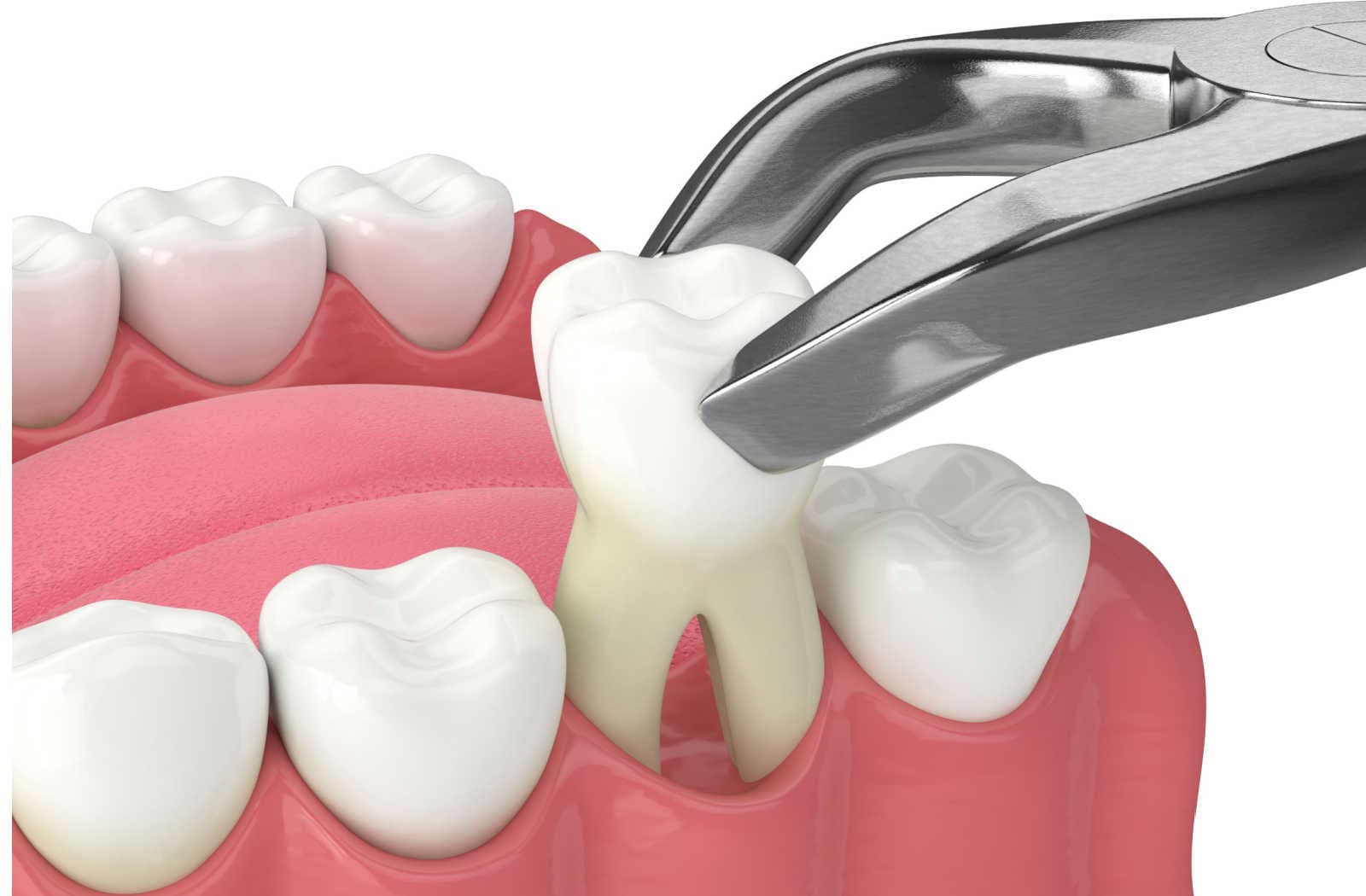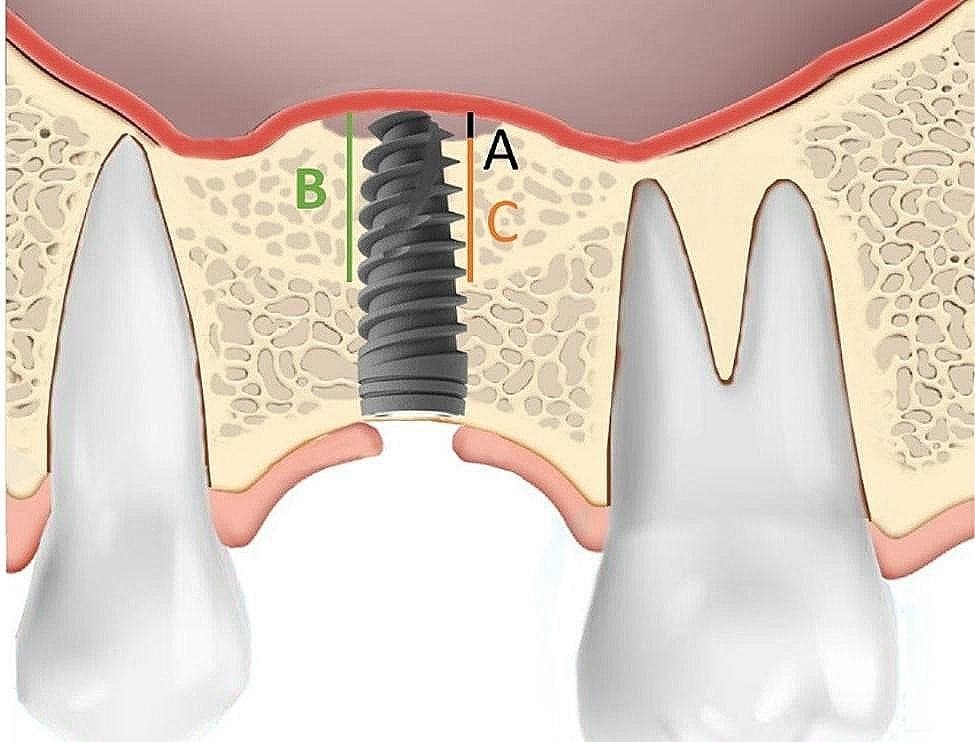
In your upper jaw, two air-filled cavities called the maxillary sinuses sit just above the back teeth. When upper molars are missing, those sinuses can expand downward and the bone underneath them can shrink. A sinus lift restores that bone so an implant can be placed safely.
When you need one
A 3D cone beam scan tells us your exact bone height. If you have less than about 5 mm of bone between the sinus and the proposed implant, a sinus lift is usually recommended.
How it works
- A small access window is made in the bone above the upper jaw
- The sinus membrane is gently lifted upward—not punctured
- Bone graft material is placed in the new space
- The window is closed and the area is sutured
- The graft matures into solid bone over 4–9 months
Two approaches
- Lateral window — used when significant bone is needed; performed in the office
- Crestal (osteotome) — a less invasive technique used when only small lifts are needed and an implant is being placed at the same time
What recovery feels like
- Mild facial swelling and a small amount of nasal drainage for a few days
- Avoid blowing your nose or using straws for two weeks
- Sleep slightly elevated for the first two nights
- Soft food diet for one week
- Antibiotics and decongestants are typically prescribed
Will I feel it in my sinuses?
Most patients are surprised by how little they feel. The sinus membrane is sensitive but the bone is not, so once the local anesthetic and sedation take effect the procedure is very tolerable.
Ready to talk to a periodontist?
Comfortable consultations, same-day estimates, and a clear plan—every time.