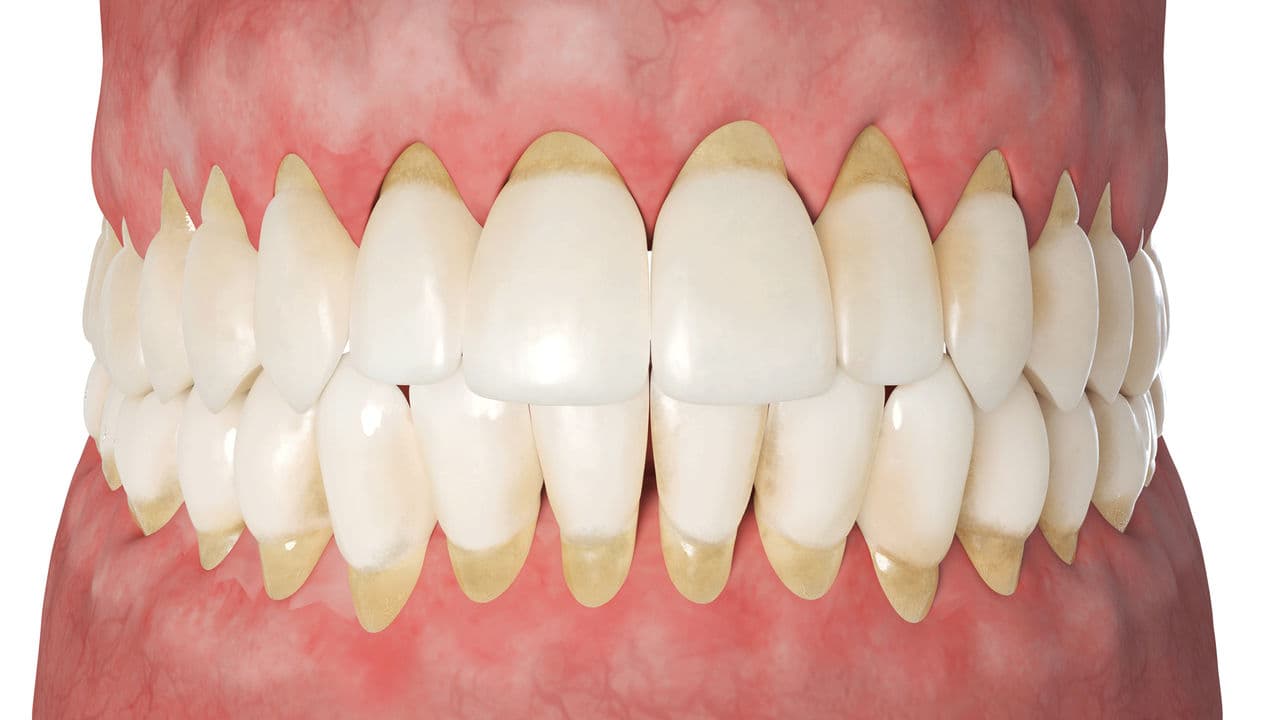
If your teeth look longer than they used to, or you wince when you sip something cold, gum recession is probably the cause. Once gum tissue is lost it does not grow back on its own—but a soft tissue graft can rebuild it, protect your roots, and restore your smile.
Why gums recede
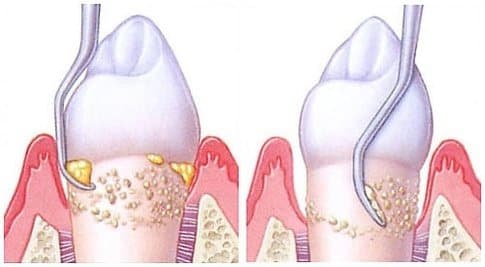
The most common causes are periodontal disease, aggressive brushing, grinding (bruxism), thin gum biotype, and crooked teeth that put extra stress on certain spots. Smoking and tobacco use accelerate the process.
What a soft tissue graft does
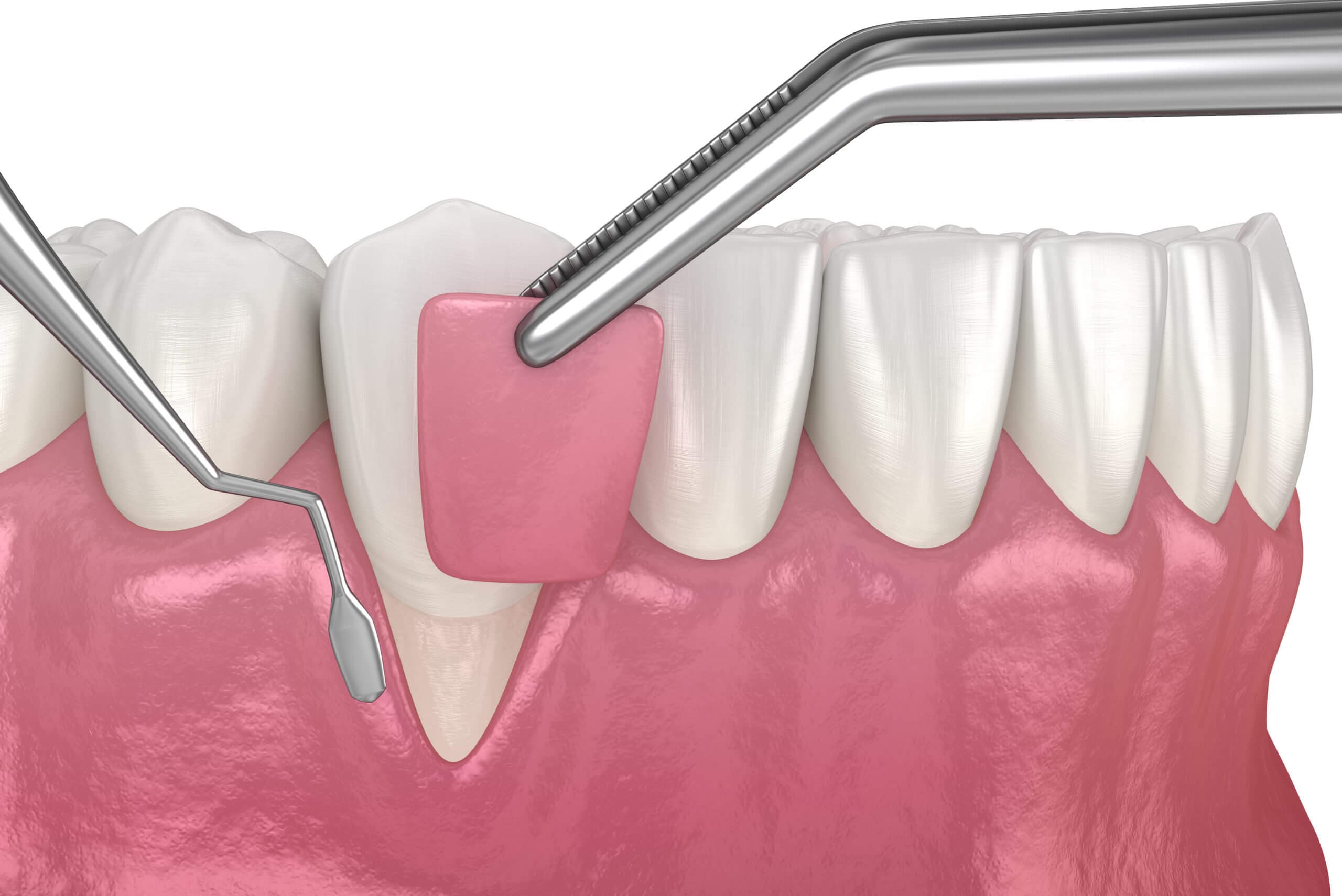
A small piece of healthy tissue is placed over the receded area. As it heals, your body integrates the graft and you end up with a thicker, more durable band of attached gum that protects the root surface. The benefits are aesthetic and functional: less sensitivity, better cavity protection, and a more youthful smile.
Types of grafts we use
- Connective tissue graft (most common)—tissue is taken from beneath the surface of the palate
- Free gingival graft—a thin layer of palate tissue is used to add thickness
- Pedicle graft—nearby gum tissue is rotated to cover the defect
- Allograft—donor tissue, eliminating the need for a second surgical site
Is there a less invasive option?
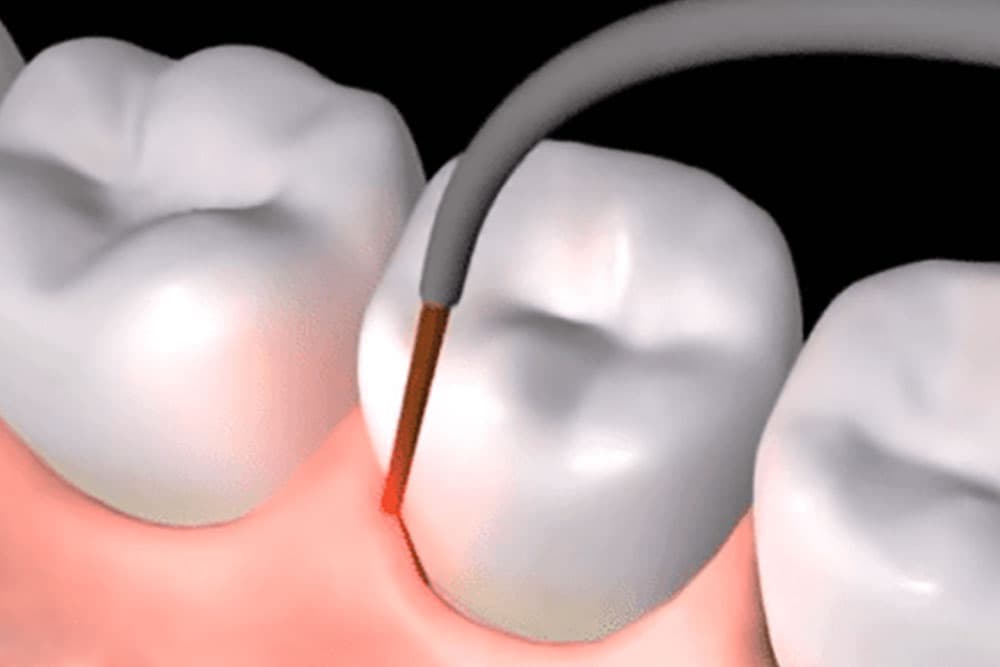
Yes. The Pinhole® Surgical Technique uses a small entry point instead of incisions and sutures. We will tell you which approach gives you the best long-term result based on the amount of recession, your tissue type, and your goals.
Recovery timeline
- Days 1–3: Soft food diet, ice for swelling, mild discomfort
- Week 1: Sutures dissolve or are removed, swelling subsides
- Week 2–4: Tissue maturing; brushing carefully reintroduced
- 8–12 weeks: Final aesthetic result and full integration
Ready to talk to a periodontist?
Comfortable consultations, same-day estimates, and a clear plan—every time.