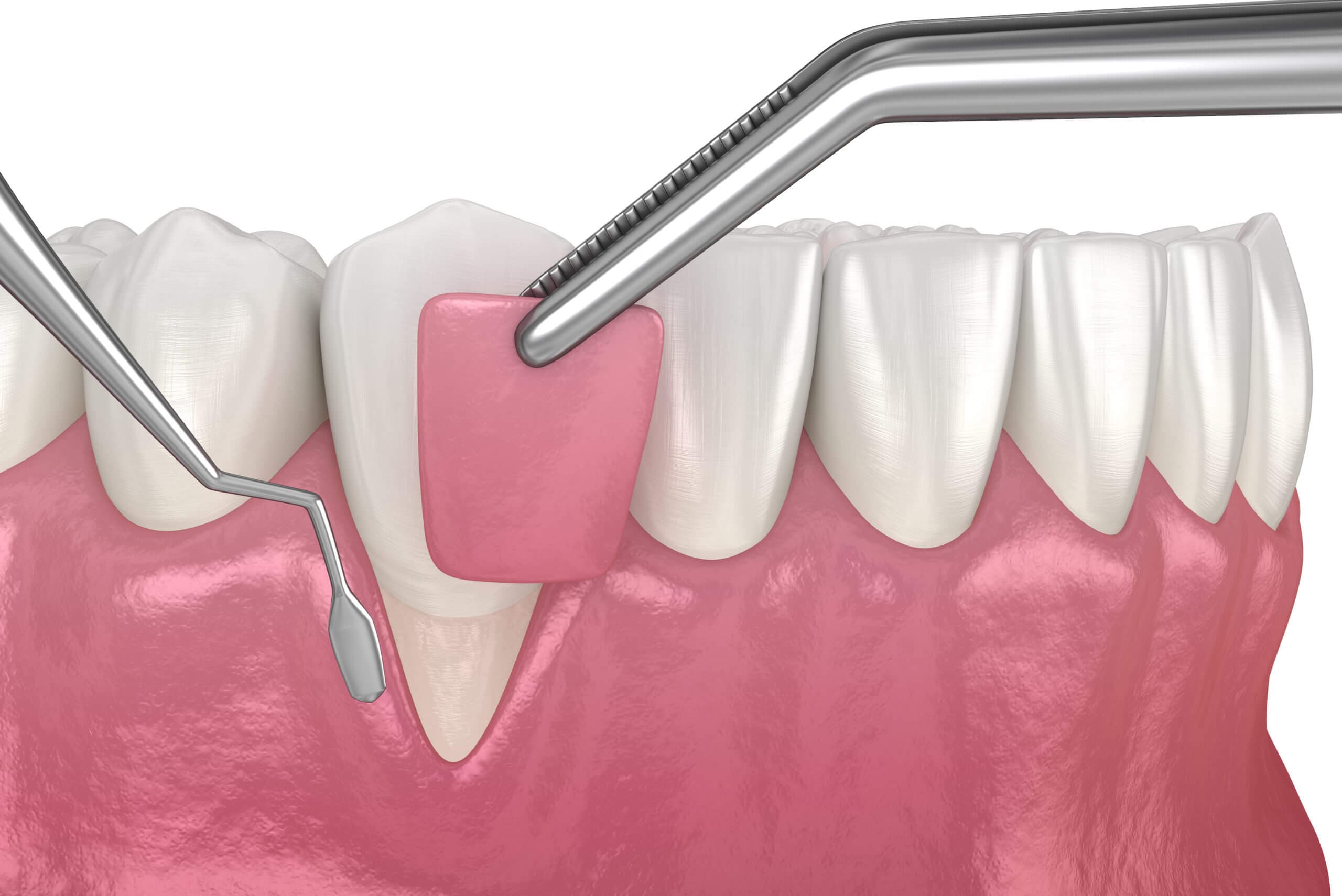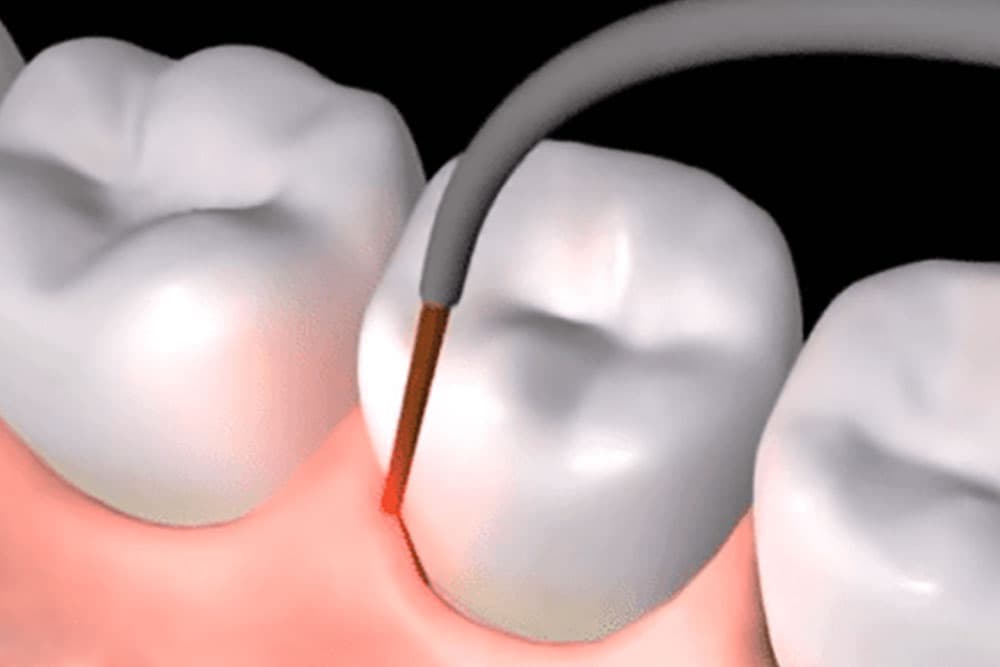
Scaling and root planing—often called SRP or a "deep cleaning"—is the most common non-surgical treatment for periodontal disease. It is more thorough than a regular cleaning because it goes below the gumline to remove the bacterial colonies causing your gums to pull away from your teeth.
What scaling actually removes
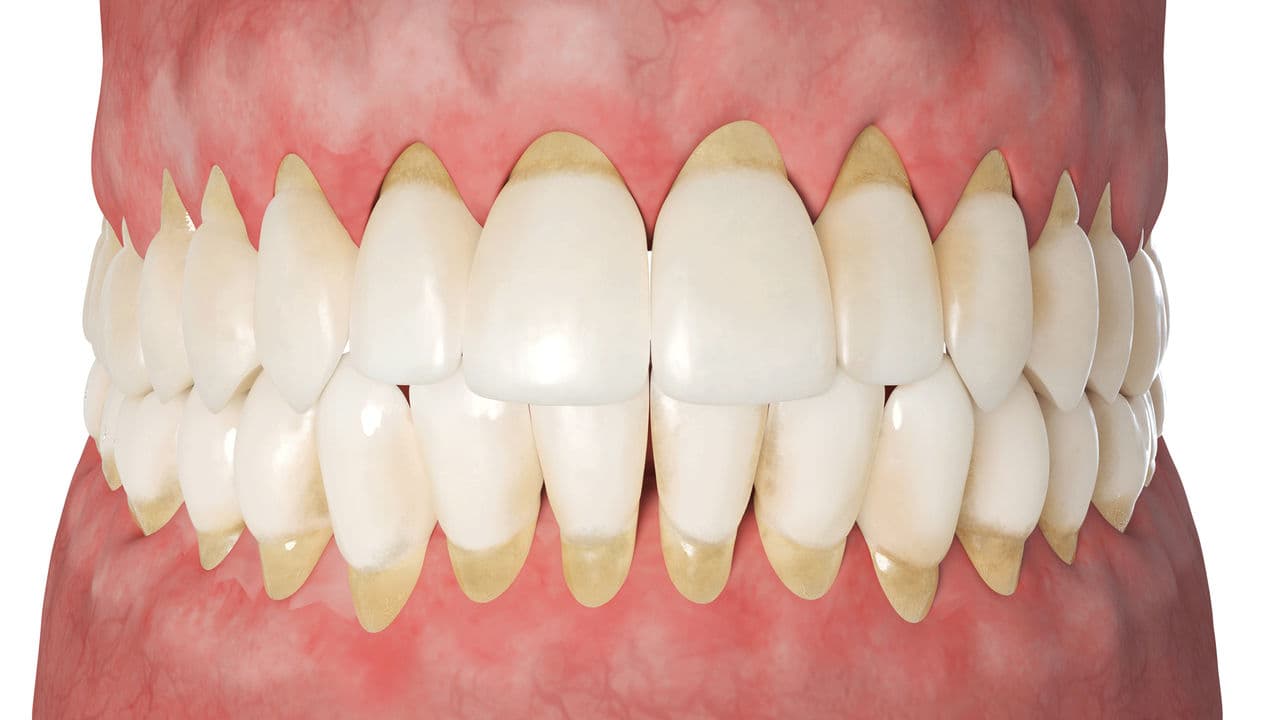
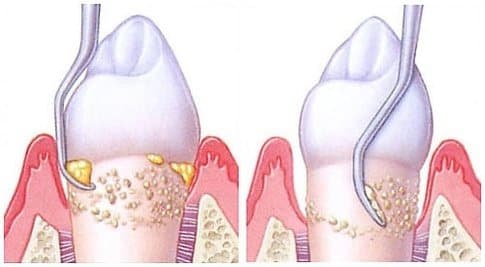
Plaque hardens into tartar (calculus) within 24 hours and a toothbrush cannot remove it. Tartar that forms below the gumline is even more dangerous because it is rough, porous, and packed with bacteria. Scaling uses ultrasonic and hand instruments to break up and lift away every bit of it.
Why root planing is the second half
Once tartar is removed, the surfaces of your tooth roots are smoothed. A smooth root makes it harder for bacteria to re-attach and gives your gums the clean surface they need to reattach to the tooth—closing the deep pockets that allow infection to grow.
Will it hurt?
We numb the area with local anesthetic before we begin. Most patients feel pressure and vibration, not pain. If you have anxiety or sensitive teeth, ask about oral or IV sedation—you will be relaxed throughout.
Recovery: the first 48 hours
- Mild soreness and minor bleeding for a day or two
- Increased sensitivity to hot and cold for about a week
- Stick to soft, lukewarm foods on day one
- Use a prescription mouthrinse if we provide one
- Brush gently with a soft brush; resume flossing within 24 hours
How well does it work?
Studies show scaling and root planing reduces periodontal pocket depths by 1–3 mm on average and stops disease progression in roughly 80% of mild-to-moderate cases. We follow up at 4–6 weeks to measure your results and decide if any additional treatment is needed.
Keeping the results: periodontal maintenance
After SRP, you will move from twice-yearly cleanings to a periodontal maintenance schedule—usually every three to four months. This is the single most important step in preventing the infection from returning.
Ready to talk to a periodontist?
Comfortable consultations, same-day estimates, and a clear plan—every time.