Gum disease is the most common reason adults in the U.S. lose teeth, yet most people do not know they have it until it is already advanced. The earliest stage—gingivitis—is reversible. The later stage—periodontitis—is not. The good news is that your mouth gives you very clear signals long before things get serious. Here are the five warning signs you should never ignore.
1. Your gums bleed when you brush or floss
Healthy gums do not bleed. If you spit pink in the sink, your gums are inflamed because plaque bacteria are sitting along the gumline. This is gingivitis, and a professional cleaning combined with better home care will usually reverse it.
2. Your gums look red, swollen, or tender
Healthy gum tissue is firm and pale pink. Puffy, dark-red, or shiny gums mean your immune system is fighting an active infection. Left alone, that infection will start to break down the bone holding your teeth in place.
3. You have persistent bad breath or a bad taste
Chronic bad breath that does not go away after brushing is often caused by bacteria living deep in periodontal pockets. Mints will not fix it. A deep cleaning called scaling and root planing targets the source.
4. Your teeth look longer than they used to
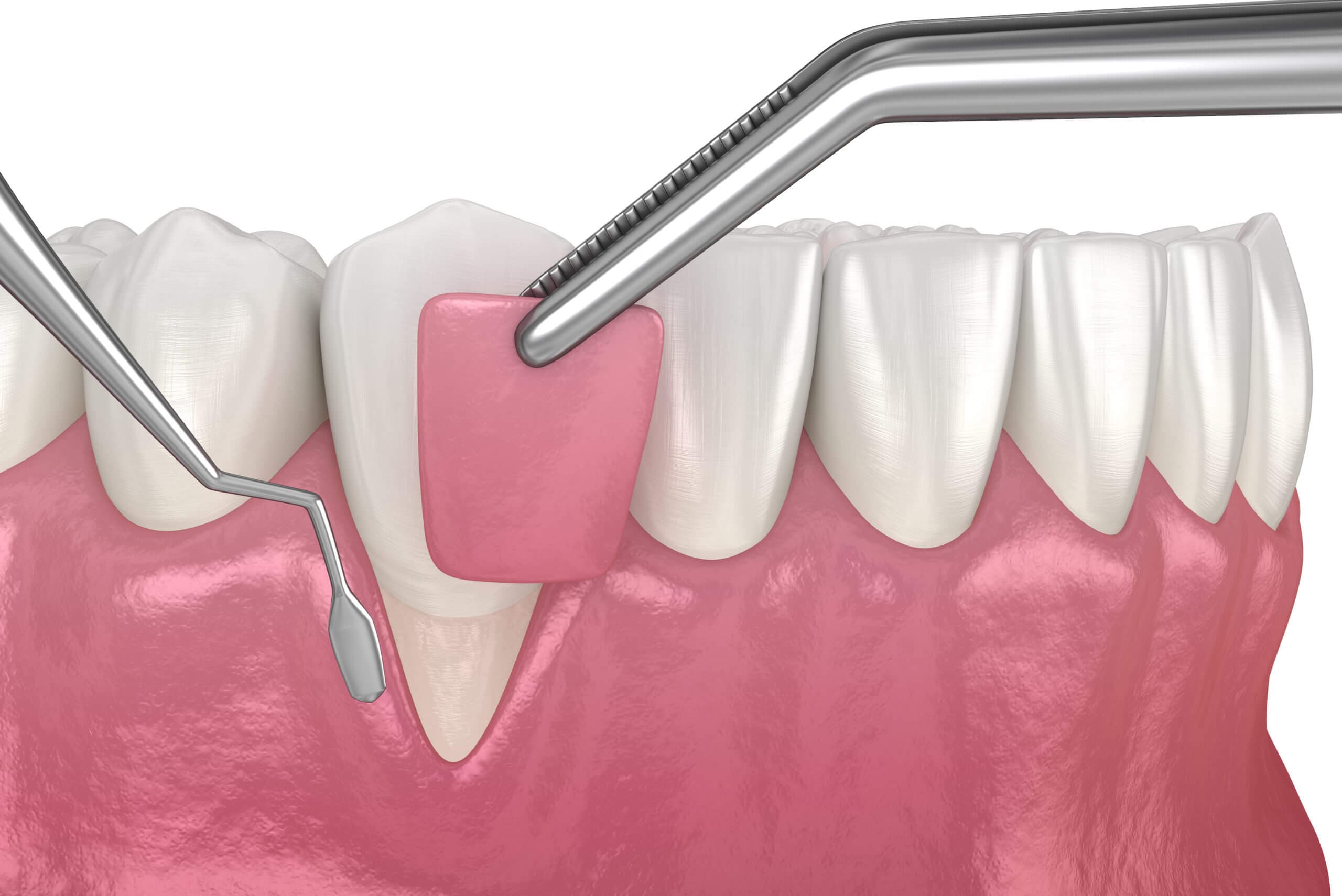
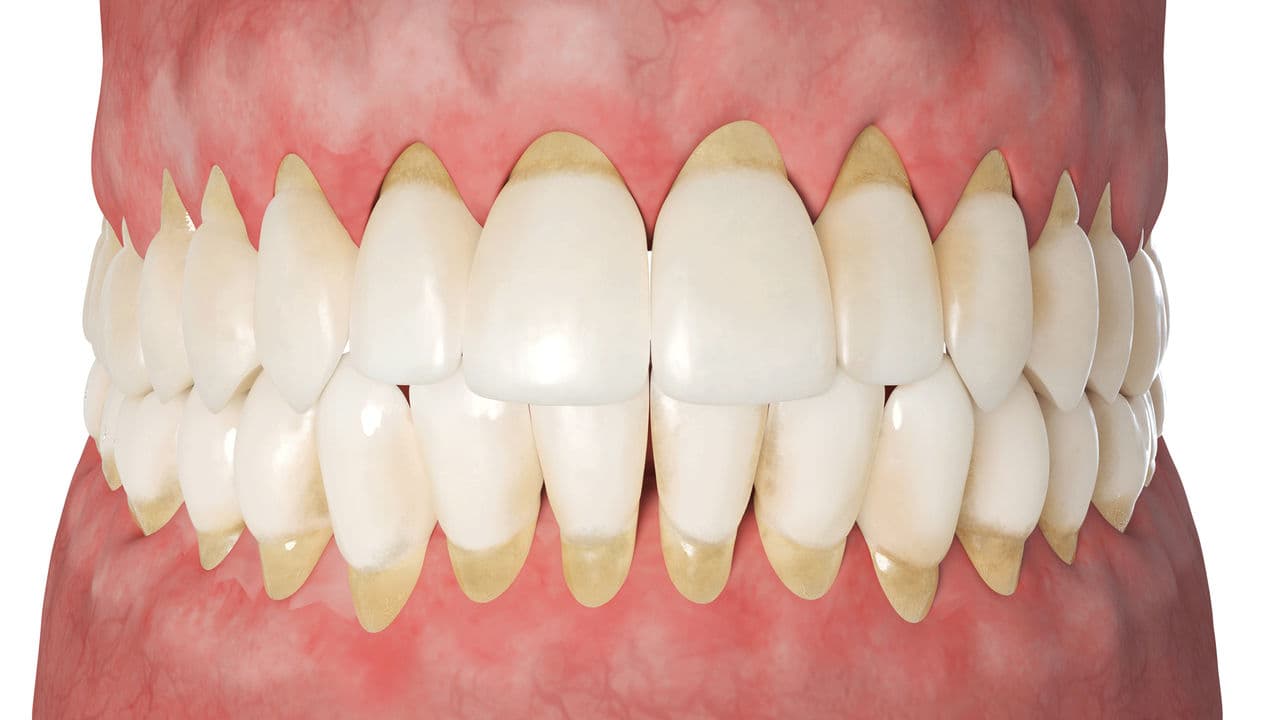
Gum recession exposes the roots of your teeth, makes them look longer, and causes painful sensitivity to hot and cold. Once gum tissue is lost, it does not grow back—but it can be restored with a soft tissue graft or the minimally invasive Pinhole® Surgical Technique.
5. Your teeth feel loose or your bite has shifted
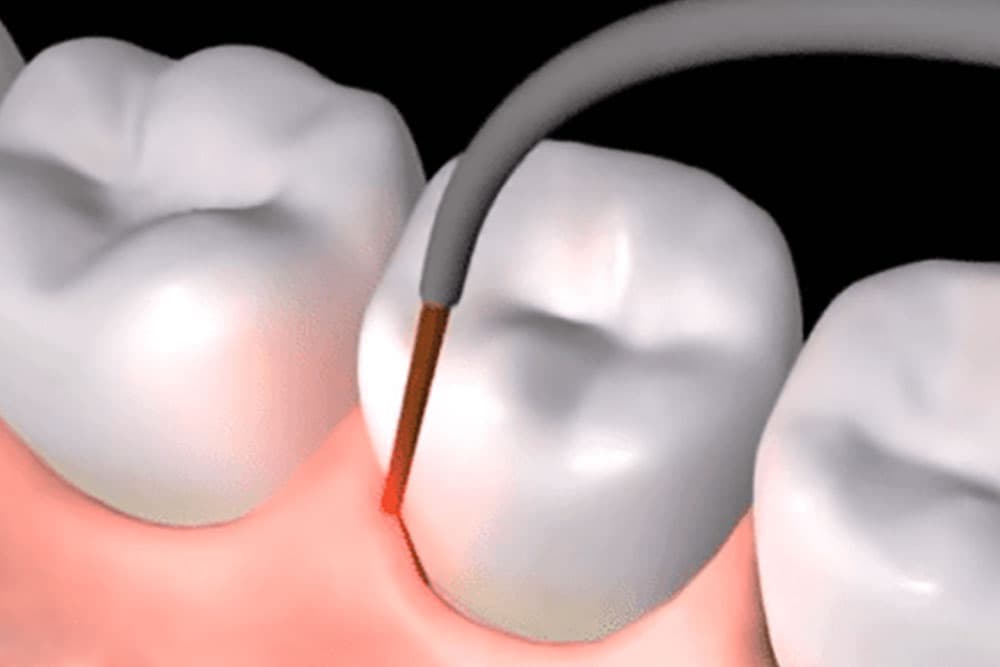
This is the latest warning sign and it means bone loss has already happened. At this point, treatment may include LANAP® laser therapy, pocket reduction surgery, or—if a tooth cannot be saved—a planned dental implant to keep your bite stable.
Why these signs matter for the rest of your body
Untreated gum disease is linked to heart disease, diabetes complications, stroke, and pregnancy issues. Treating your mouth is treating your whole health.
What happens at your first periodontal visit
- A digital scan and full periodontal charting to measure pocket depths
- A review of your medical history and risk factors
- A clear, written treatment plan with options at every budget
- A discussion of comfort options including sedation dentistry
Ready to talk to a periodontist?
Comfortable consultations, same-day estimates, and a clear plan—every time.